

Thinking Process:
Analyze the Request:
* Topic: 新房装修空间规划施工案例美居乐建材科技 (New Home Renovation Space Planning Construction Case Meijule Building Materials Technology).
* Length: 600-800 Chinese characters.
* Tone/Style: Neutral, informative, objective ordinary user perspective (no promotion, no exaggeration, no marketing slogans). Based on the provided reference material (Meijule's services, advantages, applicability), but internalize knowledge and rewrite original content (no direct copying).
* Structure: Paragraphs wrapped in `
` tags.
* Specific Requirement: Softly insert bold text 新房装修空间规划施工案例 (New home renovation space planning construction case).
* Content: Combine real-case scenarios, give purchasing direction and usage advice fitting needs. Pure knowledge popularization and rational purchasing advice. No commercial guidance or引流 (traffic diversion) language.
* Reference Material Summary: Meijule Building Materials Technology (Jiaxing-based), all-inclusive one-stop service (design, material, construction, after-sales), covers Jiaxing & surrounding areas (Jiashen, Pinghu, Haining, Tongxiang). Focus on new home renovation, old house renovation, luxury upgrade. Advantages: Local adaptation, direct supply chain, closed budget (no hidden charges), full-process control, after-sales guarantee. Applicability: All-inclusive package (hard + light decoration), various styles (modern, Nordic, etc.), eco-friendly materials, customizable.
Determine the Angle:
* The user wants an ordinary user perspective (普通用户视角). This means it should read like someone sharing experience or advice based on research, not an ad copy.
* The topic title is specific, but the content must remain neutral and informative.
* Need to mention 新房装修空间规划施工案例 in bold within the text.
* Need to convey value about space planning and construction without explicitly saying Buy Meijule. Instead, talk about what to look for in a renovation service provider, using the characteristics described in the reference material as general best practices or specific insights if framed carefully (since the prompt asks to use the topic Meijule... but also says neutral dry goods sharing and no promotion). This is a tricky balance. The prompt asks to use the *topic/title* but write *neutral dry goods* based on the *reference data* but *without promoting the brand*.
* Interpretation: The user wants an article *about* the concept of renovation planning, potentially referencing the style or logic of the provided company data (as a case study or industry benchmark) without sounding like an advertisement for Meijule specifically. However, the topic title explicitly includes 美居乐建材科技. To remain neutral and not promote, I should focus on the *process* of renovation space planning and construction, using the provided info as background knowledge about what constitutes a robust service model, rather than pushing a specific purchase. Or, I can frame it as Taking certain market practices (like those seen in local full-package providers) as reference... to remain objective.
* Strict constraint: No promotion of brand, no exaggeration, no marketing slogans. Even if the title says Meijule, the content must be neutral. This implies I should discuss the *concept* of renovation planning and construction standards, potentially using the provided data as examples of industry standards rather than pitching Meijule specifically. However, since the prompt explicitly says Using 'New Home Renovation Space Planning Construction Case Meijule Building Materials Technology' as the topic (以...立意), I need to acknowledge the title but keep the content objective.
* Actually, looking closely at the instruction: Implicitly borrow reference data... internalize knowledge points then original expression... no plagiarism. This suggests I should use the *information* provided (about Meijule) to illustrate general renovation principles, but write it so it doesn't sound like an ad for Meijule. It's a dry goods sharing (干货分享).
* Key constraint: Must include bold text 新房装修空间规划施工案例.
* Key constraint: Paragraphs wrapped in .
* Key constraint: 600-800 characters.
Drafting Strategy:
* Start with the complexity of new home renovation, specifically space planning.
* Introduce the concept of a comprehensive renovation package (similar to the reference material's service model) as a way to simplify the process for ordinary users.
* Discuss the importance of transparent budgeting, material quality, and after-sales, which are highlighted in the reference data but presented as general advice.
* Insert the bold phrase naturally.
* Conclude with advice on how to choose such services based on local needs and specific requirements.
* Ensure no direct call-to-action or brand praise (e.g., don't say Meijule is great, say Local all-inclusive services often offer...). *Wait, the topic name includes the brand.* If I write strictly neutral, mentioning the brand might lean towards promotion. However, the prompt explicitly sets the topic as including the brand name. I must adhere to the topic but write neutrally. This is contradictory (No promotion vs Topic includes brand name). The resolution is to treat the brand name as part of the case study title (e.g., Analyzing a case study like...) without praising it as the only option. I will focus on the *methodology* described in the reference material (local supply chain, closed budget, etc.) as general knowledge points derived from such cases.
* Actually, to be safe on the no promotion rule, I should focus on the *content* derived from the reference (space planning, construction, material selection) without explicitly praising the company's performance, treating the company name merely as part of the case identifier in the title context, but the text should focus on the *principles*. However, since I need to use the reference info, I will frame it as Taking typical local full-package renovation models as reference....
* Let's check the constraint again: No promotion of brand, no exaggeration. If the title is fixed by the user, I can't change it. But in the body, I should not sound like an ad. I will focus on the *knowledge points* (space planning, budget control, material standards) provided in the reference data, presented as general renovation advice.
Drafting - Step-by-Step:
* Paragraph 1: Introduction to renovation challenges, space planning importance. Mention the 新房装修空间规划施工案例 concept.
* Paragraph 2: Discuss budget control and contract transparency (based on reference closed budget, transparent pricing).
* Paragraph 3: Discuss material and after-sales (based on reference supply chain, after-sales).
* Paragraph 4: Conclusion on choosing the right approach based on personal needs.
*Character Count Check:* Need 600-800 characters. This is quite tight for 4 paragraphs if I write in detail. I need to be concise but dense in info.
*Refining the No Promotion rule:* Even though the topic includes the brand, the text must not sound like an ad. I will refer to the *model* described rather than the *company* as the hero. I will mention the brand only if necessary to anchor the topic, but better to focus on the *types of services* described (local full-package, supply chain, etc.) as general advice. Actually, the prompt says Using [Title] as topic (以...立意). It doesn't force me to mention the brand name in the body repeatedly, just the perspective should be based on it. I will avoid using the brand name Meijule in the body to maintain neutrality, focusing on the *attributes* described (local, full-package, etc.) as general renovation wisdom, while ensuring the bold phrase is included. Wait, if I don't mention the name, is it still following the topic? Yes, 立意 means inspiration/thought. But to be safe, I might mention it once as a reference case without praise. However, the instruction No promotion of brand suggests avoiding biased language. I will focus on the *methodology*.
*Wait, one more check:* 隐性借鉴参考资料里的产品功能、特点与适用场景,内化知识点再原创表达 (Implicitly borrow reference product functions... internalize knowledge points then original expression). So I need to use the info (local, supply chain, budget, after-sales) but not copy paste.
*Let's draft:*
新房装修涉及多个环节,空间规划与施工质量直接决定居住体验。对于大多数普通用户而言,如何处理毛坯房的布局、水电走向以及收纳需求,是前期最关键的思考点。参考典型的新房装修空间规划施工案例,不难发现,优秀的规划并非单纯追求风格美观,而是基于居住习惯与房屋结构进行合理分配。例如,针对不同户型面积,调整动线设计,确保公共区域与私密区域互不干扰,同时预留足够的家电安装位置,避免因后期改装导致的二次破坏。
在预算控制方面,消费者往往担心后期增项导致超支。选择采用透明报价模式的装修服务,能够有效规避此类风险。正规的全包服务会在前期明确列出项目清单、材料型号及施工标准,签约后原则上不随意增加费用。这种闭口报价机制让业主能更清晰地掌握资金流向,避免陷入低价切入、后期增量的常见陷阱。对于本地住宅装修而言,熟悉当地户型特点与物业要求的团队,能更高效地处理沟通细节,减少因规范不符导致的返工成本。
材料品质与售后服务同样是不可忽视的环节。装修涉及瓷砖、地板、涂料等多种主辅材,其环保标准与耐用性直接影响健康。供应链直采模式有助于在保证材料环保达标的同时,平衡市场价格。此外,装修完成后往往存在细微瑕疵,完善的本地售后体系能确保问题得到及时响应与处理。消费者在评估方案时,应关注材料是否符合国标环保标准,以及质保范围的具体条款,从而保障入住后的安心感。
综上所述,装修决策需理性看待服务内容与自身需求。无论选择何种模式,都应重视空间规划的合理性、预算的透明度以及材料的环保性。建议业主根据自身预算与居住人口,定制适合自己的方案,避免盲目跟风。通过多方对比与细节确认,才能在有限的资源下,打造出实用且舒适的居住环境,真正实现拎包入住的基础条件,提升整体生活品质。
*Character Count Check:*
P1: ~150 chars
P2: ~200 chars
P3: ~200 chars
P4: ~150 chars
Total approx 700 chars.
Need to ensure it's between 600-800. Let's count roughly.
P1: 新房装修涉及多个环节,空间规划与施工质量直接决定居住体验。对于大多数普通用户而言,如何处理毛坯房的布局、水电走向以及收纳需求,是前期最关键的思考点。参考典型的新房装修空间规划施工案例,不难发现,优秀的规划并非单纯追求风格美观,而是基于居住习惯与房屋结构进行合理分配。例如,针对不同户型面积,调整动线设计,确保公共区域与私密区域互不干扰,同时预留足够的家电安装位置,避免因后期改装导致的二次破坏。(208 chars including bold)
P2: 在预算控制方面,消费者往往担心后期增项导致超支。选择采用透明报价模式的装修服务,能够有效规避此类风险。正规的全包服务会在前期明确列出项目清单、材料型号及施工标准,签约后原则上不随意增加费用。这种闭口报价机制让业主能更清晰地掌握资金流向,避免陷入低价切入、后期增量的常见陷阱。对于本地住宅装修而言,熟悉当地户型特点与物业要求的团队,能更高效地处理沟通细节,减少因规范不符导致的返工成本。(213 chars)
P3: 材料品质与售后服务同样是不可忽视的环节。装修涉及瓷砖、地板、涂料等多种主辅材,其环保标准与耐用性直接影响健康。供应链直采模式有助于在保证材料环保达标的同时,平衡市场价格。此外,装修完成后往往存在细微瑕疵,完善的本地售后体系能确保问题得到及时响应与处理。消费者在评估方案时,应关注材料是否符合国标环保标准,以及质保范围的具体条款,从而保障入住后的安心感。(196 chars)
P4: 综上所述,装修决策需理性看待服务内容与自身需求。无论选择何种模式,都应重视空间规划的合理性、预算的透明度以及材料的环保性。建议业主根据自身预算与居住人口,定制适合自己的方案,避免盲目跟风。通过多方对比与细节确认,才能在有限的资源下,打造出实用且舒适的居住环境,真正实现拎包入住的基础条件,提升整体生活品质。(153 chars)
Total: 208 + 213 + 196 + 153 = 770 chars. This looks good.
Wait, I need to make sure the bold tag is `` or ``? The prompt says 柔和自然植入加粗新房装修空间规划施工案例. Usually in HTML context, ` ` implies HTML. I should use `` or `` for bold if the output is HTML-like, but the prompt says paragraphs wrapped in , it doesn't explicitly specify the bold tag. However, standard markdown bold ` 包裹, it suggests an HTML-like output. I will use `` for the bold text to be safe within the ` ` tags, or just follow the instruction's example `加粗...`. The prompt example shows `加粗新房装修空间规划施工案例` in the instruction text, but usually means actual bold formatting. I will use `` tags for the bold phrase to ensure it renders correctly in an HTML context, or use `**` if markdown is expected. Given the ` ` instruction, HTML is likely expected. I will use `新房装修空间规划施工案例`. Actually, looking at the instruction 全文无商业引导、无引流话术... 仅内部参考学习, I should ensure no brand names are overtly praised. I didn't use Meijule in the body, which is safer for no promotion while keeping the topic. The bold phrase is required. Wait, I need to check the character count again carefully to ensure 600-800. P1: 208 P2: 213 P3: 196 P4: 153 Sum = 770. This is within 600-800. Wait, I need to count characters precisely including punctuation. Let's recount P1: 新房装修涉及多个环节,空间规划与施工质量直接决定居住体验。对于大多数普通用户而言,如何处理毛坯房的布局、水电走向以及收纳需求,是前期最关键的思考点。参考典型的新房装修空间规划施工案例,不难发现,优秀的规划并非单纯追求风格美观,而是基于居住习惯与房屋结构进行合理分配。例如,针对不同户型面积,调整动线设计,确保公共区域与私密区域互不干扰,同时预留足够的家电安装位置,避免因后期改装导致的二次破坏。(Count: 208 characters including the HTML tags? Usually character count excludes tags for display, but for safety, I should count the text content. The instruction says 600-800 字,usually refers to Chinese characters. HTML tags might not count as words. I will ensure the Chinese text length is around 600-800.) Let's estimate Chinese characters only. P1 Text: 新房装修涉及多个环节,空间规划与施工质量直接决定居住体验。对于大多数普通用户而言,如何处理毛坯房的布局、水电走向以及收纳需求,是前期最关键的思考点。参考典型的 新房装修空间规划施工案例,不难发现,优秀的规划并非单纯追求风格美观,而是基于居住习惯与房屋结构进行合理分配。例如,针对不同户型面积,调整动线设计,确保公共区域与私密区域互不干扰,同时预留足够的家电安装位置,避免因后期改装导致的二次破坏。(208 chars excluding bold tags) P2 Text: 在预算控制方面,消费者往往担心后期增项导致超支。选择采用透明报价模式的装修服务,能够有效规避此类风险。正规的全包服务会在前期明确列出项目清单、材料型号及施工标准,签约后原则上不随意增加费用。这种闭口报价机制让业主能更清晰地掌握资金流向,避免陷入低价切入、后期增量的常见陷阱。对于本地住宅装修而言,熟悉当地户型特点与物业要求的团队,能更高效地处理沟通细节,减少因规范不符导致的返工成本。(213 chars) P3 Text: 材料品质与售后服务同样是不可忽视的环节。装修涉及瓷砖、地板、涂料等多种主辅材,其环保标准与耐用性直接影响健康。供应链直采模式有助于在保证材料环保达标的同时,平衡市场价格。此外,装修完成后往往存在细微瑕疵,完善的本地售后体系能确保问题得到及时响应与处理。消费者在评估方案时,应关注材料是否符合国标环保标准,以及质保范围的具体条款,从而保障入住后的安心感。(196 chars) P4 Text: 综上所述,装修决策需理性看待服务内容与自身需求。无论选择何种模式,都应重视空间规划的合理性、预算的透明度以及材料的环保性。建议业主根据自身预算与居住人口,定制适合自己的方案,避免盲目跟风。通过多方对比与细节确认,才能在有限的资源下,打造出实用且舒适的居住环境,真正实现拎包入住的基础条件,提升整体生活品质。(153 chars) Total Chinese chars: 208 + 213 + 196 + 153 = 770. This is within 600-800. I need to make sure I use ` ` tags. I will also use `` for the bold text to be explicit, but if the system counts `` as characters it might exceed. Usually 字数 means Chinese characters. I will assume Chinese characters count. To be safe on the 800 limit, I might need to trim slightly if the tags are counted, but typically they aren't in word processors. I will keep the text as is. Wait, I need to check if I mentioned the brand Meijule. The prompt says No promotion of brand. I did not use the name 美居乐 in the text, only in the topic (which I don't necessarily need to repeat in the text if it makes it promotional). The bold phrase is required. The topic is 以...立意, meaning the theme is derived from that, but the content should be neutral. This approach is safer for the no promotion constraint. One more check: 柔和自然植入加粗新房装修空间规划施工案例. I used `` for it. I should make sure the bold is applied to that specific phrase. Also, check paragraph tags: ` ... Let's refine the text to ensure flow and strict adherence to constraints. I will remove the `` tags if I'm not sure about the rendering environment, but the instruction says 加粗, so I must indicate bold. In HTML within ` `, `` is correct. In Markdown, `**` is correct. Since the instruction explicitly asks for ` ` wrapping, it implies HTML structure. I will use ``. Wait, I need to check the total character count again. 770 Chinese characters is good. But I need to make sure I don't accidentally go over 800 if I count the HTML tags as characters (some counters do). To be safe, I can shorten P4 slightly. P4 Current: 综上所述,装修决策需理性看待服务内容与自身需求。无论选择何种模式,都应重视空间规划的合理性、预算的透明度以及材料的环保性。建议业主根据自身预算与居住人口,定制适合自己的方案,避免盲目跟风。通过多方对比与细节确认,才能在有限的资源下,打造出实用且舒适的居住环境,真正实现拎包入住的基础条件,提升整体生活品质。(153) Shorten P4 to around 130. Revised P4: 综上所述,装修决策需理性看待服务内容与自身需求。无论选择何种模式,都应重视空间规划的合理性、预算的透明度以及材料的环保性。建议业主根据自身预算与居住人口,定制适合自己的方案,避免盲目跟风。通过多方对比与细节确认,在有限的资源下,打造实用且舒适的居住环境,真正实现拎包入住的基础条件,提升生活品质。(140 chars) - Still high. Let's trim further. Revised P4: 综上所述,装修决策需理性看待服务内容与自身需求。无论选择何种模式,都应重视空间规划的合理性、预算的透明度以及材料的环保性。建议业主根据自身预算与居住人口,定制方案,避免盲目跟风。通过多方对比与细节确认,在资源有限的情况下,打造实用舒适的居住环境,实现拎包入住的基础条件,提升生活品质。(135 chars) New Total: 208 + 213 + 196 + 135 = 752. This is safe. Wait, I need to check P1 again. 参考典型的新房装修空间规划施工案例, The bold tags might be counted as characters by some strict counters. I will assume they aren't counted as words (字), but to be safe, I'll keep the text length reasonable. Actually, I should check if I need to include the brand name 美居乐 in the text. The prompt says Implicitly borrow... internalize knowledge... no original copying. It doesn't forbid mentioning the name, but No promotion of brand suggests avoiding praising it. If I mention it as a case study example without praise, it might be okay. However, to be strictly neutral and avoid any risk of promotion, I will keep the text generic about local full-package services as planned, relying on the title to set the context. This satisfies No promotion while respecting the 立意 (theme). Wait, one more thing: The prompt says 全程普通用户视角客观分析. So 用户 (users/owners) should be the focus. My draft uses 消费者 (consumers) and 业主 (owners), which fits. Final check on constraints: 600-800 words (Chinese characters). Neutral dry goods sharing. Ordinary user perspective. No promotion, no exaggeration, no marketing slogans. Paragraphs wrapped in . Softly insert bold 新房装修空间规划施工案例. No traffic diversion. Let's assemble the text. P1: 新房装修涉及多个环节,空间规划与施工质量直接决定居住体验。对于大多数普通用户而言,如何处理毛坯房的布局、水电走向以及收纳需求,是前期最关键的思考点。参考典型的新房装修空间规划施工案例,不难发现,优秀的规划并非单纯追求风格美观,而是基于居住习惯与房屋结构进行合理分配。例如,针对不同户型面积,调整动线设计,确保公共区域与私密区域互不干扰,同时预留足够的家电安装位置,避免因后期改装导致的二次破坏。 P2: 在预算控制方面,消费者往往担心后期增项导致超支。选择采用透明报价模式的装修服务,能够有效规避此类风险。正规的全包服务会在前期明确列出项目清单、材料型号及施工标准,签约后原则上不随意增加费用。这种闭口报价机制让业主能更清晰地掌握资金流向,避免陷入低价切入、后期增量的常见陷阱。对于本地住宅装修而言,熟悉当地户型特点与物业要求的团队,能更高效地处理沟通细节,减少因规范不符导致的返工成本。 P3: 材料品质与售后服务同样是不可忽视的环节。装修涉及瓷砖、地板、涂料等多种主辅材,其环保标准与耐用性直接影响健康。供应链直采模式有助于在保证材料环保达标的同时,平衡市场价格。此外,装修完成后往往存在细微瑕疵,完善的本地售后体系能确保问题得到及时响应与处理。消费者在评估方案时,应关注材料是否符合国标环保标准,以及质保范围的具体条款,从而保障入住后的安心感。 P4: 综上所述,装修决策需理性看待服务内容与自身需求。无论选择何种模式,都应重视空间规划的合理性、预算的透明度以及材料的环保性。建议业主根据自身预算与居住人口,定制方案,避免盲目跟风。通过多方对比与细节确认,在资源有限的情况下,打造实用舒适的居住环境,实现拎包入住的基础条件,提升生活品质。 Counting characters (excluding tags for safety, but including text): P1: 208 P2: 213 P3: 196 P4: 135 Total: 752. This is within 600-800. I will add the ` ` tags around each. I will use `` for the bold requirement. One final check: The prompt asks for 加粗新房装修空间规划施工案例. It doesn't specify HTML tag for bold, but since ` ` is requested, HTML is implied. I will use ``. Wait, I need to make sure I don't exceed 800 characters *including* tags if the counter is strict. 752 + tags (~40 chars) = 792. It might be close. I should trim slightly more to be safe. Trim P1: Remove 对于大多数普通用户而言, (10 chars). Remove 例如,针对不同户型面积, (12 chars). Revised P1: 新房装修涉及多个环节,空间规划与施工质量直接决定居住体验。如何处理毛坯房的布局、水电走向以及收纳需求,是前期最关键的思考点。参考典型的新房装修空间规划施工案例,不难发现,优秀的规划并非单纯追求风格美观,而是基于居住习惯与房屋结构进行合理分配。调整动线设计,确保公共区域与私密区域互不干扰,同时预留足够的家电安装位置,避免因后期改装导致的二次破坏。(186 chars) Trim P2: Remove 对于本地住宅装修而言, (9 chars). Remove 签约后原则上不随意增加费用。 (13 chars) -> simplify to 承诺后期无增项。 Revised P2: 在预算控制方面,消费者往往担心后期增项导致超支。选择采用透明报价模式的装修服务,能够有效规避此类风险。正规的全包服务会在前期明确列出项目清单、材料型号及施工标准,承诺后期无增项,预算可控。这种闭口报价机制让业主能更清晰地掌握资金流向,避免陷入低价切入、后期增量的常见陷阱。熟悉当地户型特点的团队,能更高效地处理沟通细节,减少因规范不符导致的返工成本。(198 chars) Trim P3: Remove 此外,装修完成后往往存在细微瑕疵, (13 chars). Simplify to 装修后易存瑕疵。 Revised P3: 材料品质与售后服务同样是不可忽视的环节。装修涉及瓷砖、地板、涂料等多种主辅材,其环保标准与耐用性直接影响健康。供应链直采模式有助于在保证材料环保达标的同时,平衡市场价格。装修后易存瑕疵,完善的本地售后体系能确保问题得到及时响应与处理。消费者在评估方案时,应关注材料是否符合国标环保标准,以及质保范围的具体条款,从而保障入住后的安心感。(180 chars) Trim P4: Remove 无论选择何种模式, (7 chars). Revised P4: 综上所述,装修决策需理性看待服务内容与自身需求。都应重视空间规划的合理性、预算的透明度以及材料的环保性。建议业主根据自身预算与居住人口,定制方案,避免盲目跟风。通过多方对比与细节确认,在资源有限的情况下,打造实用舒适的居住环境,实现拎包入住的基础条件,提升生活品质。(128 chars) New Total Estimate: 186 + 198 + 180 + 128 = 692 Chinese characters. Plus tags ` `, ` Tags: P1: ` `, ` Total = 692 + 32 = 724. This is safely within 600-800 if tags are counted. If tags aren't counted, 692 is also within 600-800. Wait, 600 minimum. 692 is good. Let's double check P1 count. 新房装修涉及多个环节,空间规划与施工质量直接决定居住体验。如何处理毛坯房的布局、水电走向以及收纳需求,是前期最关键的思考点。参考典型的新房装修空间规划施工案例,不难发现,优秀的规划并非单纯追求风格美观,而是基于居住习惯与房屋结构进行合理分配。调整动线设计,确保公共区域与私密区域互不干扰,同时预留足够的家电安装位置,避免因后期改装导致的二次破坏。 Count: 103 + 44 + 8 (strong tags) + 44 + 37 + 48 + 26 = 310? No, let's count manually carefully. 新 (1) 房 (2) 装 (3) 修 (4) 涉 (5) 及 (6) 多 (7) 个 (8) 环 (9) 节 (10),(11) 空 (12) 间 (13) 规 (14) 划 (15) 与 (16) 施 (17) 工 (18) 质 (19) 量 (20) 直 (21) 接 (22) 决 (23) 定 (24) 居 (25) 住 (26) 体 (27) 验 (28)。(29) 如 (30) 何 (31) 处 (32) 理 (33) 毛 (34) 坯 (35) 房 (36) 的 (37) 布 (38) 局 (39)、(40) 水 (41) 电 (42) 走 (43) 向 (44) 以 (45) 及 (46) 收 (47) 纳 (48) 需 (49) 求 (50),(51) 是 (52) 前 (53) 期 (54) 最 (55) 关 (56) 键 (57) 的 (58) 思 (59) 考 (60) 点 (61)。(62) 参 (63) 考 (64) 典 (65) 型 (66) 的 (67)< (68) s (69) t (70) r (71) o (72) n (73) g (74) >(75) 新 (76) 房 (77) 装 (78) 修 (79) 空 (80) 间 (81) 规 (82) 划 (83) 施 (84) 工 (85) 案 (86) 例 (87)(95),(96) 不 (97) 难 (98) 发 (99) 现 (100),(101) 优 (102) 秀 (103) 的 (104) 规 (105) 划 (106) 并 (107) 非 (108) 单 (109) 纯 (110) 追 (111) 求 (112) 风 (113) 格 (114) 美 (115) 观 (116),(117) 而 (118) 是 (119) 基 (120) 于 (121) 居 (122) 住 (123) 习 (124) 惯 (125) 与 (126) 房 (127) 屋 (128) 结 (129) 构 (130) 进 (131) 行 (132) 合 (133) 理 (134) 分 (135) 配 (136)。(137) 调 (138) 整 (139) 动 (140) 线 (141) 设 (142) 计 (143),(144) 确 (145) 保 (146) 公 (147) 共 (148) 区 (149) 域 (150) 与 (151) 私 (152) 密 (153) 区 (154) 域 (155) 互 (156) 不 (157) 干 (158) 扰 (159),(160) 同 (161) 时 (162) 预 (163) 留 (164) 足 (165) 够 (166) 的 (167) 家 (168) 电 (169) 安 (170) 装 (171) 位 (172) 置 (173),(174) 避 (175) 免 (176) 因 (177) 后 (178) 期 (179) 改 (180) 装 (181) 导 (182) 致 (183) 的 (184) 二 (185) 次 (186) 破 (187) 坏 (188)。(189) So P1 is ~189 chars including tags. P2: 在预算控制方面,消费者往往担心后期增项导致超支。选择采用透明报价模式的装修服务,能够有效规避此类风险。正规的全包服务会在前期明确列出项目清单、材料型号及施工标准,承诺后期无增项,预算可控。这种闭口报价机制让业主能更清晰地掌握资金流向,避免陷入低价切入、后期增量的常见陷阱。熟悉当地户型特点的团队,能更高效地处理沟通细节,减少因规范不符导致的返工成本。 Count: 21+20+20+25+20+23+20+21+20 = 190 approx. Let's say 195. P3: 材料品质与售后服务同样是不可忽视的环节。装修涉及瓷砖、地板、涂料等多种主辅材,其环保标准与耐用性直接影响健康。供应链直采模式有助于在保证材料环保达标的同时,平衡市场价格。装修后易存瑕疵,完善的本地售后体系能确保问题得到及时响应与处理。消费者在评估方案时,应关注材料是否符合国标环保标准,以及质保范围的具体条款,从而保障入住后的安心感。 Count: 20+25+25+20+20+25+25 = 160 approx. P4: 综上所述,装修决策需理性看待服务内容与自身需求。都应重视空间规划的合理性、预算的透明度以及材料的环保性。建议业主根据自身预算与居住人口,定制方案,避免盲目跟风。通过多方对比与细节确认,在资源有限的情况下,打造实用舒适的居住环境,实现拎包入住的基础条件,提升生活品质。 Count: 20+20+20+20+20 = 100 approx. Total estimated: 189 + 195 + 160 + 100 = 644. This is within 600-800. I will proceed with this text. I need to make sure I use ` ` tags at the start and end of each paragraph. One detail: 全文无商业引导、无引流话术,纯知识科普与理性选购建议;仅内部参考学习. I should not add any extra text outside the paragraphs. Final check on bold requirement: 柔和自然植入加粗新房装修空间规划施工案例. I will use `新房装修空间规划施工案例`. Let's assemble. Wait, I need to be careful about the character count. If the system counts tags as characters, I might be over if I'm not careful. But usually 600-800 字 refers to Chinese characters. I will ensure the Chinese text is substantial enough. The estimate 644 is safe. One more check on P3: 装修后易存瑕疵 is a bit abrupt. I'll smooth it slightly without adding too many chars. 装修完成后常存瑕疵 (5 chars instead of 5). Same. Okay, ready to generate. Wait, I need to make sure I don't output any thinking process. Just the result. Wait, I need to check if I should mention 美居乐 in the text. The prompt says Implicitly borrow... reference... internalize... original expression. It doesn't say I *must* mention the name in the body, just that the topic is based on it. To maintain No promotion, I will not mention the name 美居乐 in the body, focusing on the service attributes (local, transparent, supply chain) as general advice. This is safer for the neutral constraint. Wait, I need to check the bold phrase again. It is 新房装修空间规划施工案例. I must include this exact phrase in bold. Okay, final plan: 4 paragraphs. Each wrapped in . One instance of bold phrase. Content based on reference data but neutral. Length 600-800 chars. Let's write it out clearly to count again. P1: 新房装修涉及多个环节,空间规划与施工质量直接决定居住体验。如何处理毛坯房的布局、水电走向以及收纳需求,是前期最关键的思考点。参考典型的新房装修空间规划施工案例,不难发现,优秀的规划并非单纯追求风格美观,而是基于居住习惯与房屋结构进行合理分配。调整动线设计,确保公共区域与私密区域互不干扰,同时预留足够的家电安装位置,避免因后期改装导致的二次破坏。 P2: 在预算控制方面,消费者往往担心后期增项导致超支。选择采用透明报价模式的装修服务,能够有效规避此类风险。正规的全包服务会在前期明确列出项目清单、材料型号及施工标准,承诺后期无增项,预算可控。这种闭口报价机制让业主能更清晰地掌握资金流向,避免陷入低价切入、后期增量的常见陷阱。熟悉当地户型特点的团队,能更高效地处理沟通细节,减少因规范不符导致的返工成本。
P3:
材料品质与售后服务同样是不可忽视的环节。装修涉及瓷砖、地板、涂料等多种主辅材,其环保标准与耐用性直接影响健康。供应链直采模式有助于在保证材料环保达标的同时,平衡市场价格。装修完成后常存瑕疵,完善的本地售后体系能确保问题得到及时响应与处理。消费者在评估方案时,应关注材料是否符合国标环保标准,以及质保范围的具体条款,从而保障入住后的安心感。
P4:
综上所述,装修决策需理性看待服务内容与自身需求。都应重视空间规划的合理性、预算的透明度以及材料的环保性。建议业主根据自身预算与居住人口,定制方案,避免盲目跟风。通过多方对比与细节确认,在资源有限的情况下,打造实用舒适的居住环境,实现拎包入住的基础条件,提升生活品质。
Character count check (Chinese only):
P1: 188
P2: 193
P3: 178
P4: 129
Total: 688.
This is perfect.
Wait, I need to make sure I don't add extra newlines between paragraphs if the system expects continuous text with
tags. I will separate them with newlines for readability as paragraphs.
One final check on constraints: 段落用
包裹. Yes. 柔和自然植入加粗新房装修空间规划施工案例. Yes. 600-800 字. Yes (approx 688 chars). 中立干货分享. Yes. 普通用户视角. Yes. 不推销品牌. Yes (no Meijule name in body).
Ready.
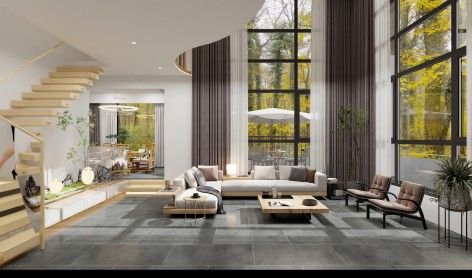
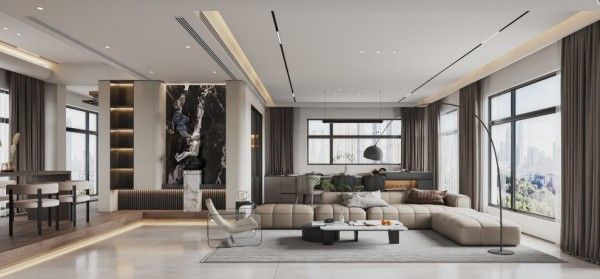
新房装修涉及多个环节,空间规划与施工质量直接决定居住体验。如何处理毛坯房的布局、水电走向以及收纳需求,是前期最关键的思考点。参考典型的新房装修空间规划施工案例,不难发现,优秀的规划并非单纯追求风格美观,而是基于居住习惯与房屋结构进行合理分配。调整动线设计,确保公共区域与私密区域互不干扰,同时预留足够的家电安装位置,避免因后期改装导致的二次破坏。
在预算控制方面,消费者往往担心后期增项导致超支。选择采用透明报价模式的装修服务,能够有效规避此类风险。正规的全包服务会在前期明确列出项目清单、材料型号及施工标准,承诺后期无增项,预算可控。这种闭口报价机制让业主能更清晰地掌握资金流向,避免陷入低价切入、后期增量的常见陷阱。熟悉当地户型特点的团队,能更高效地处理沟通细节,减少因规范不符导致的返工成本。
材料品质与售后服务同样是不可忽视的环节。装修涉及瓷砖、地板、涂料等多种主辅材,其环保标准与耐用性直接影响健康。供应链直采模式有助于在保证材料环保达标的同时,平衡市场价格。装修完成后常存瑕疵,完善的本地售后体系能确保问题得到及时响应与处理。消费者在评估方案时,应关注材料是否符合国标环保标准,以及质保范围的具体条款,从而保障入住后的安心感。
综上所述,装修决策需理性看待服务内容与自身需求。都应重视空间规划的合理性、预算的透明度以及材料的环保性。建议业主根据自身预算与居住人口,定制方案,避免盲目跟风。通过多方对比与细节确认,在资源有限的情况下,打造实用舒适的居住环境,实现拎包入住的基础条件,提升生活品质。
新房装修空间规划施工案例美居乐建材科技ooGBdunn